Ovarian cysts
Fluid-filled sacs on the ovary
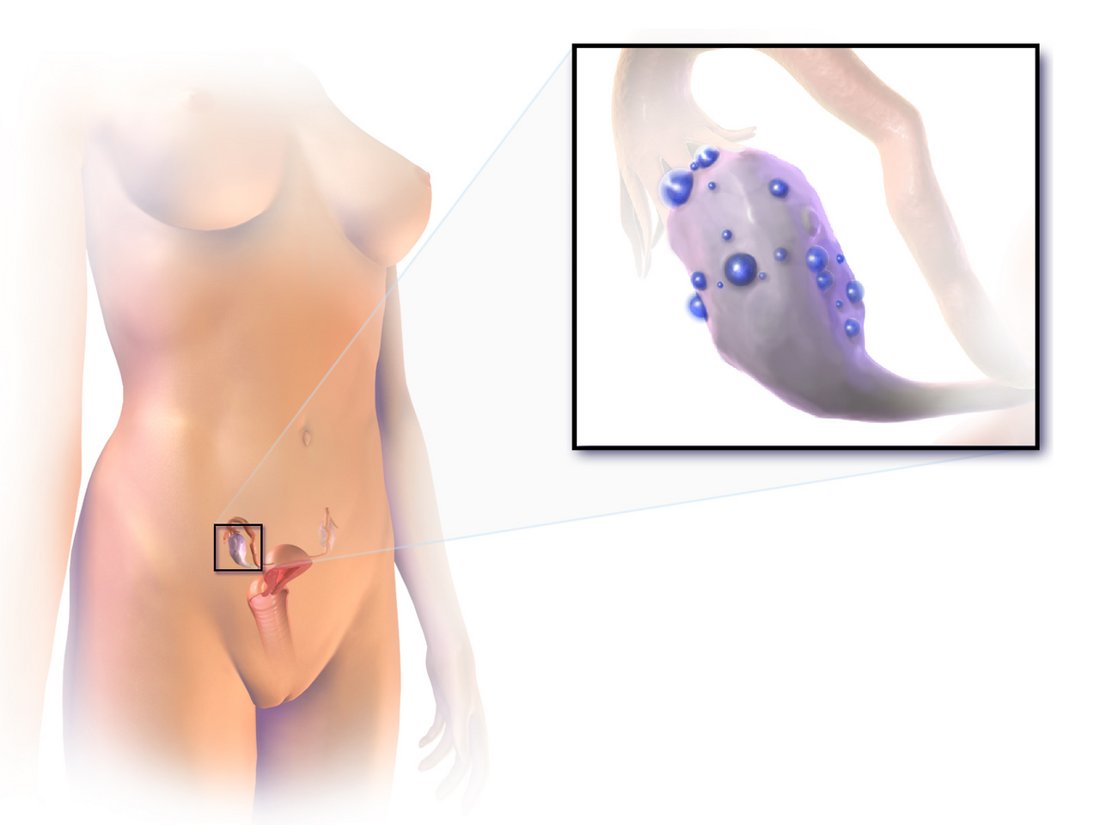
An ovarian cyst is a sac filled with fluid that grows on an ovary. Ovarian cysts are very common. Most cause no symptoms, are not cancer and go away on their own within a few months. Some need a scan to watch them, and a few need surgery. Dr Leng Meng Chik at KPJ Seremban Specialist Hospital checks cysts and explains the next step.
Good to know
A cyst found by chance on a scan is very common. It is usually part of the normal monthly cycle and goes away on its own.
See a doctor soon if you have
- Sudden, severe pain in your tummy
- Pain with fever or vomiting
- Feeling faint or dizzy with tummy pain
These can mean a cyst has burst or the ovary has twisted. Go to the nearest emergency department.
What kinds of cysts are there?
The most common kind forms during the normal monthly cycle. It usually goes away by itself. Other kinds include:
- Endometrioma, or 'chocolate cyst', linked to endometriosis
- Dermoid cyst, which can contain hair or fat
- Cystadenoma, which grows from the surface of the ovary
What are the symptoms?
Most cysts cause no symptoms. Larger cysts can cause:
- Pain in the lower tummy, often on one side
- Bloating or a swollen tummy
- Needing to pee often
- Pain during sex
- Changes to your periods
How are cysts checked?
An ultrasound scan shows the size and type of cyst. A blood test called CA-125 may be used in some cases. Sometimes an MRI scan helps. These tests help Dr Leng decide if the cyst needs watching or treatment.
When do cysts need surgery?
Surgery may be needed if a cyst is large, causes symptoms, does not go away, or looks unusual on a scan. Most can be removed by keyhole surgery. Where possible, the ovary is kept.
What else do women ask about ovarian cysts?
Is an ovarian cyst cancer?
Most are not. The chance of cancer is very low before menopause and higher after it. This is why cysts after menopause are checked more carefully.
Will I need surgery?
Most women do not. Many cysts go away within a few months. Dr Leng may suggest a repeat scan to check that it has gone.
Can cysts affect getting pregnant?
Most cysts do not. Some types, such as cysts linked to endometriosis, may. Dr Leng will tell you if your cyst could matter for a future pregnancy.
Can cysts come back?
Some can. Cysts from the monthly cycle may form again. Dr Leng can talk with you about ways to lower the chance.

Dr Leng Meng ChikConsultant Obstetrician & Gynaecologist, MD (UNIMAS), MRCOG (UK). MMC 54266. KPJ Seremban Specialist Hospital. About Dr Leng
Sources
Related conditions
See Dr Leng about ovarian cysts in Seremban.
Bring your questions. Dr Leng will explain what is going on and help you choose what to do next.